
I was excited to be able to work on this podcast, because as distance runners, we are in our heads so much of the time. As a professional ultrarunning coach and swim coach I always enjoy the research surrounding the science and physiology of endurance sports. There’s been incredible strides in how we approach interval training and how to improve VO2 max and the benefits of strength training and the intersection of nutrition and fueling for longer efforts. But what there does not appear to be enough of is a discussion on how we train the brain. Sports psychology is out there and has been out there, but it doesn’t seem to get as much traction as volume, speed, strength and nutrition. Maybe because it’s quieter? You can’t measure it like you can the other facets of endurance training?
I read The Way of the Warrior when I was 18. I was fascinated by the way our brain could help us endure and welcome the pain and friction that comes with these challenges. That we grow when we’re challenged and that fear is our greatest obstacle. Endurance efforts are really these sojourns that we go on. Sometimes they’re pilgrimages and other times, they’re just smaller forays.
We focus so much on training the body and so little on training the brain. We’re creating habits and beliefs and limitations all day every day without even being aware of it. It makes sense to stop, and pay attention to what’s going on in our brains and what the thoughts are and then, insert some phrases and specific practices that can foster beliefs that help us grow and endure rather than ones that make us shrink. We can talk ourselves into feeling good, just as easily as we can talk ourselves into feeling bad.
We need to be our own champions in this life because we’ll have a lot thrown at us. In an ultramarathon we’re choosing our hard. We’re consciously entering into something that we know will challenge us and that’s beautiful because we become more resilient when we do this. Not just in the race, but in the day in and day out training. We also get to become very intimate with our thoughts and our dreams and what’s happening inside our bodies. It’s this amazing self-discovery that not many people choose to go on. But as athletes, we love to inhabit that space. As ultramarathoners, we tend to love the outdoors and that feeling of moving through the woods and climbing up mountains and descending into valleys. Nature always mimics life and life always mimics nature and if we can carry our brains through our daily life in a way that holds possibility and compassion rather than fear and criticism? We’re going to run a lot stronger and feel a lot more joy as we do.
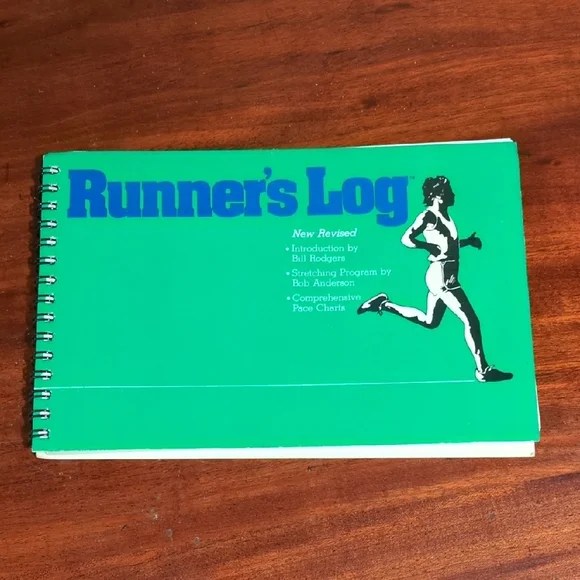
I put together a podcast that goes over 5 basic categories of mental skills for ultrarunners (or anyone.) With each one I present an exercise or exercises that you can start to use immediately. The idea for the podcast came about in two ways. 1) I realized that I had been doing a lot of things organically that improved my mental training for ultrarunning. I tried to visualize myself running the course and getting to the finish line. Even if I hadn’t been on the course, I would watch videos of other people getting to the finish line or even taking off on the start line as a visual frame of reference. The other thing I’ve always done is to keep a running log. This helps us process the run, give it a place to tuck it away, but it also provides this enormous data base of our training. People always say “trust your training,” but you need to trust something specific. If you keep a running log (and you’ve trained consistently for a race) you can go back and look at everything you’ve accomplished up to this point. It creates self efficacy which is basically having trust in ourselves to do the thing we’re setting out to do.

The other reason was that I found it hard to find exercises that I could use immediately. There are a lot of buzz words like “mental toughness,” or “visualization,” but what do those things mean in terms of a daily practice? How do you do it? When do you do it? Where do you do it? I hope this podcast answers a few of those questions and gives you at least one thing that can help you to train the brain and make you sound of body and mind.
— Erin Quinn
 Erin Quinn
Leave a comment