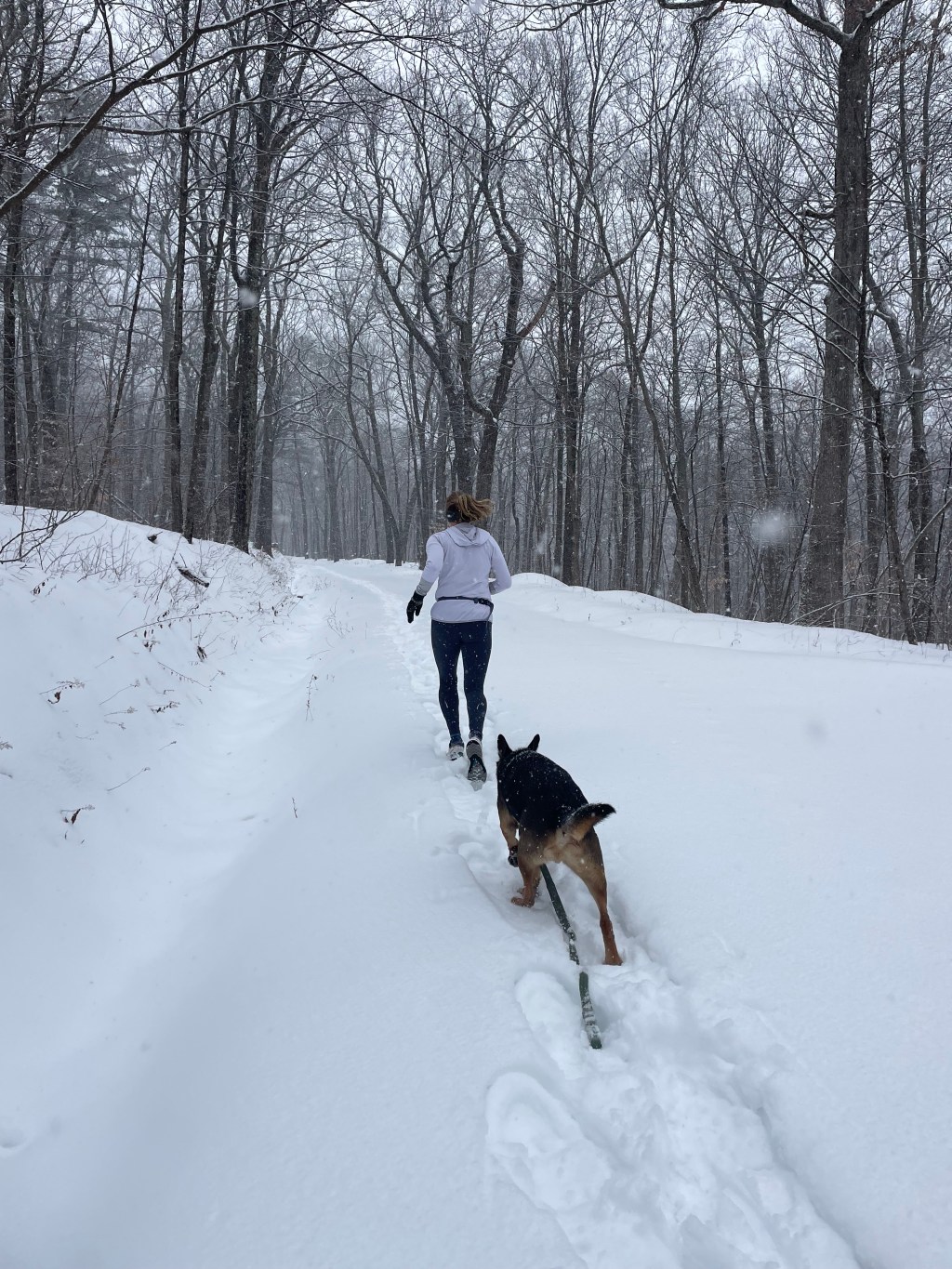
It’s that time of year. At least, here in the Northeast. I’m so excited to have a real winter again, but as a runner, it definitely limits my options. The beautiful system of 19th Century Victorian carriage roads that are my go-to training grounds here in the Shawangunk Mountains are groomed and occupied by cross-country skiers. As a former, competitive Nordic skier, I’m thrilled for them to have these conditions and ability to do the winter sport they love. I also understand how frustrating it is when a runner or hiker comes trampling through their ski tracks and ruins them.
I’m not going to be that person.
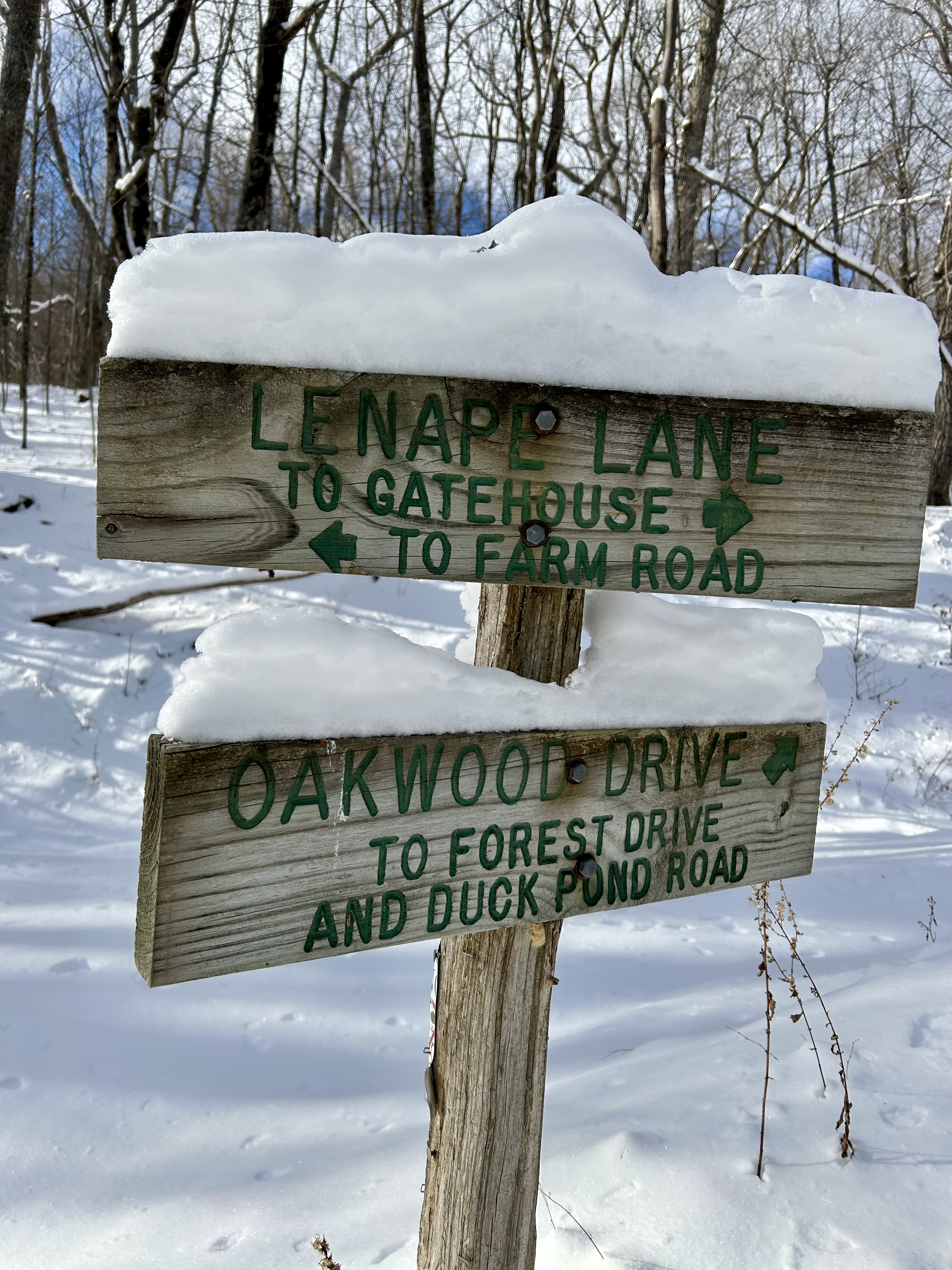
So, that leaves me with two choices: Run on the roads, or run on snowy-icy trails or a few places where they haven’t groomed for skiing. For me, running is as much about getting away from the noise of modern life as it is the physical exercise. Yes, I love the rhythm of running. It’s primal and almost feels like movement that is holy. But it’s also about moving along the trails, through pine forests and into open meadows and out onto the cliff edges. I enjoy getting to and running around various lakes, rock-hopping across streams and being enveloped by the natural world.
I also don’t have an indoor trainer of any sort, nor do I belong to a gym. So, that’s off the table. If you do have that option, then that’s another great tool to get a run in when the weather seems daunting or all daylight has disappeared.
Unlike many people, I do love winter-running and find the temperatures exhilarating. That said, there are challenges that winter presents regardless if you’re a fan of the cold or dread it. Here’s how I approach winter running and it’s helped me stay consistent and excited about keeping my running base and my mental health over these cooler, darker months.
Winter Drop Bag
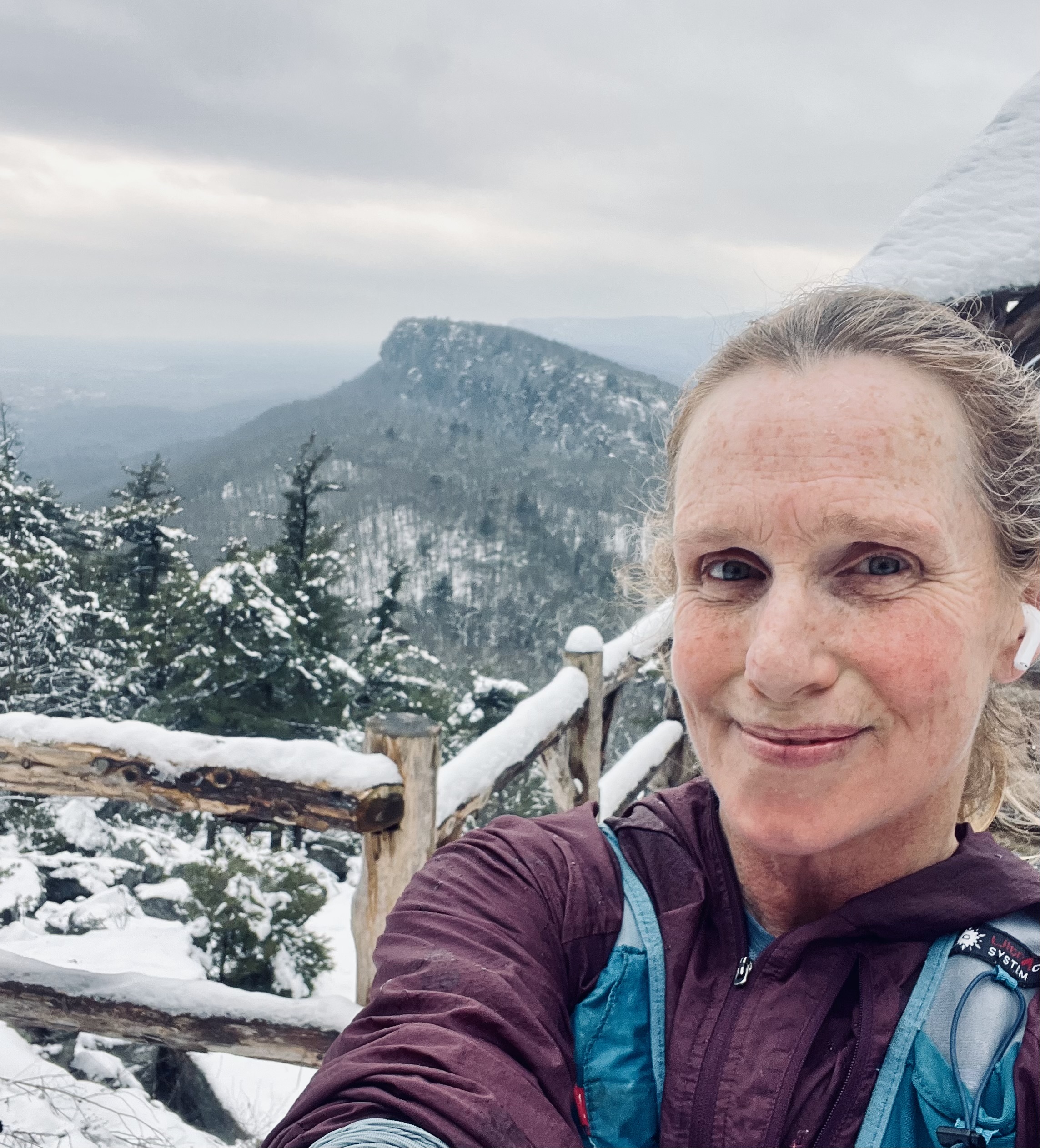
The best thing I have learned to do is to have a winter-bag all packed and left inside my car. As an ultrarunner, we’re versed in packing drop bags for items we may need for the night or the heat of the day or just for a change of clothes and socks and some fueling. It’s the same concept with a winter drop bag. Have all of the things in it that you may need in case you have the opportunity to run.
I’m a swim coach and the winter means being at a lot of 2 and 3-day swim meets from 6am to 9pm. Sometimes, there is a break between the sessions and if I have a bag in my car, I can use that time to run around a parking lot, or an abandoned mall, sometimes a graveyard or maybe, just maybe, the college or high school my team is swimming at has a few trails or even a plowed track on their grounds. Having that bag has helped me turn an hour of dead time into a discovery run. I get a chance to see the campus, or discover some cool, snow-covered tombstones or listen to a podcast as I run around neighboring streets. In my winter drop bag, I have my sneakers, wool socks, hat and gloves, pair or running tights, a buff, a warm running jacket, micro-spikes, headlamp and (hopefully) a water bottle and some snacks, if they haven’t frozen!
Depending what your winter routine is like, it can be good to have this “drop bag” in your car or leave it right by your front door so that if the opportunity strikes, you have everything you need in one place and can just grab it or get dressed and head out with warmth, traction and light for safety!
The next obstacle to getting out the door and going for a run is the limited amount of daylight. It’s challenging. And I firmly believe that early morning runners deserve a special feature on Strava. A double thumbs-up or a confetti explosion. Maybe a patch? But they deserve some extra recognition. It’s cold and dark and there’s patches of black ice hidden in unsuspecting places. I’m not a morning runner, nor a morning person. I’d much rather run at night, in any season. During winter, however, because I’m up early driving to swim meets, I see these valiant athletes greeting the slow-to-rise sun with their headlamps on, fluorescent safety vests and glow-in-the-dark hats and gloves. God bless them. You have to have a real sense of badassery when you’ve finished a run by 6am and have icicles dripping off your chin. If you have the proper gear, and that headlamp and those traction devices that you just slip over your sneakers, the morning run can be yours as well as the evening run.
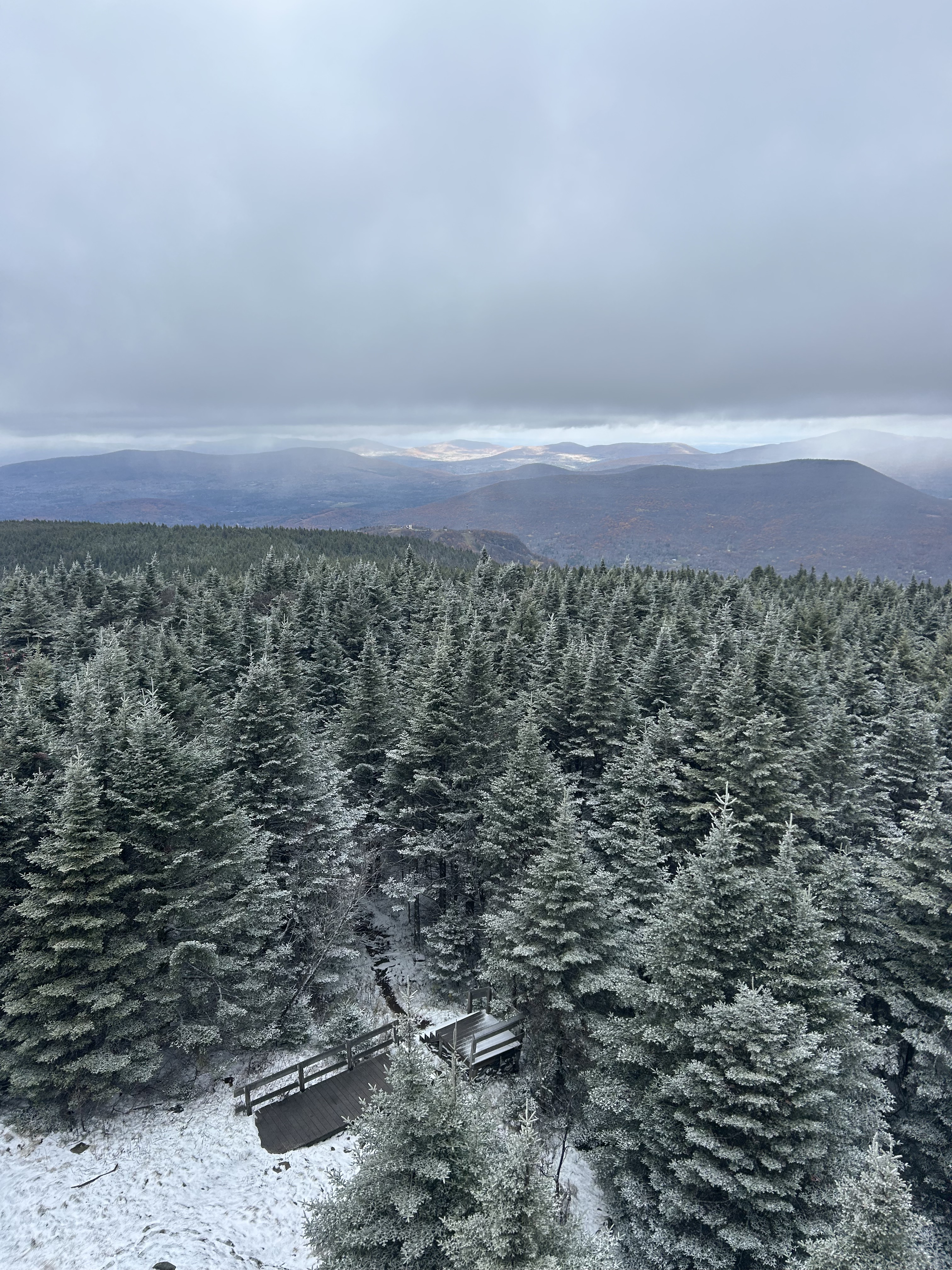
I’m fortunate to have rail-trails in my neck of the woods. Some are paved and some are not, but they are great places to run as the sun is setting or afterwards, depending on what your work/life schedule is. I’m also a big fan of college campuses or any campus where they plow and sand and there are lights on so that you can run safely at night. When it comes to snowy trails, I also enjoy them, and if they’re not too deep with snow and ice, I will run on them as well, but have to remind myself that I’m working twice or three-times as hard as I would on a road or paved trail. Trail running is always a harder workout, but when there’s snow? It raises the bar. On the flip side, the nice thing about snow-covered trails is that the landing is much softer. All of those rocks and roots are now like little pillows instead of ankle-landmines laying in wait.
Great Mental Training
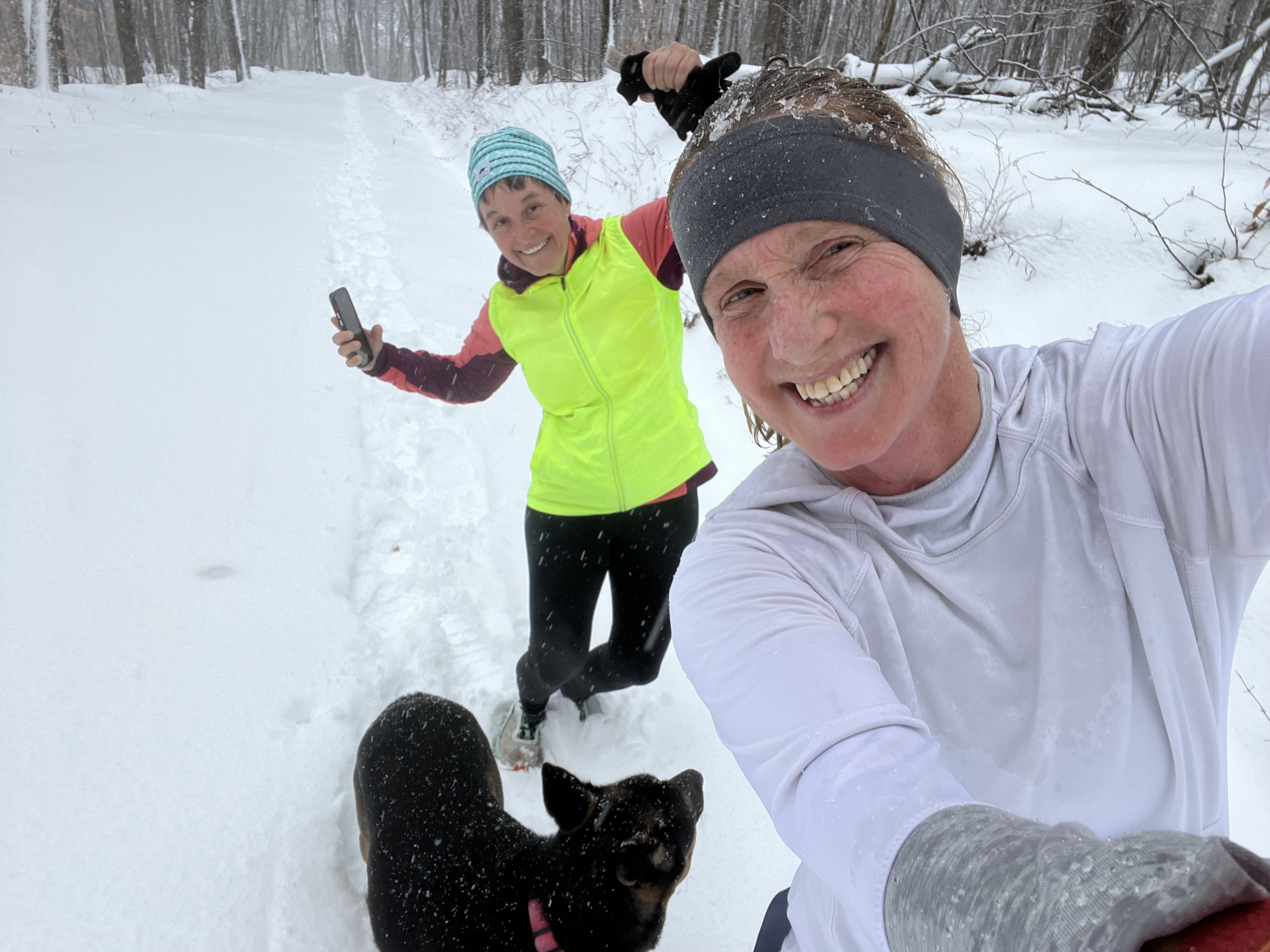
The next part of winter running that keeps me inspired and consistent is knowing that it builds mental fortitude. Whenever we’re challenged and have to push through resistance we’re going to build that mental muscle. I try and look at winter running like one big adventure. Every time I set out on the trails, I go nice and easy and tell myself that we’re going to have a huge adventure. What birds will I see? What cool animal tracks will I find in the snow? What trails will have been trodden upon by snowshoers or winter hikers and which ones will have been left untouched, with the snow soft and glistening and rolling like a wave frozen in mid-air?
If the snow is too deep and I’m forced to go on roads then I load up a good podcast I’m excited to listen to. At some points, for me, the roads get boring and I think, “well, when I’m in the middle of an ultramarathon there are a lot of miles that get boring or seem endless, so this is great mental training.” I try and find interesting trees or cool holiday decorations or if the roads are really that void of visual stimulation then I focus on my podcast or try and listen to my breathing. I also will try and find a hill, maybe a dead end and run up and down it to get a hill work out and challenge myself. If you’re cold then it’s a great time to do some strides or hill repeats wherever you can because it gets your core temperature up and hopefully helps warmup your hands and feet and face.
The truth is, learning to run in any type of weather, helps us become stronger athletes. We have to pay attention to our footing, we have to scan our surroundings, we have to talk to ourselves in an encouraging voice to get through that first, cold and sometimes dark mile. We have to get passed the difficulty of running through the snow and know that our feet might get wet and cold but it will be worth it. Winter running can also be very peaceful. If you have a trail to run on, or a rail-trail or empty campus at night or some rural roads or a park, it’s an incredible experience to just move through the white and cold and quietude that winter can provide. I find a deep solace in winter running when I can be on the trails. I also find that forcing myself to run on roads, which is not my favorite, helps me build that toughness groove in my brain. I have to find ways of making the run interesting. It’s a different type of challenge. But I know that I’ve never done an ultramarathon where cold and dark and tricky footing was not an issue. The Tahoe 200-mile run had ice and snow, the Moab 240 had hail storms and freezing rain, the Cocodona 250-mile race had an almost arctic wind on to of Mingus Mountain and Elden. So, getting used to all running conditions can only help you be more prepared on race day because we never know what we’re going to get. It’s also fun to be a winter warrior. Take pride in getting out there and have some fun!
Gear Suggestions:
I will say upfront, that I’m not a big shopper or gear gal. But winter does force you to have at least somethings on hand that are designed to keep you warm and safe. Here’s a few of the items that I use and are in my winter drop bag.
- Micro-spikes, or other traction devices for unstable terrain whether that is road or trail. I have two pairs. One, I always keep in my car (in case I decide to go for a run and find the route I’m going to take is icy or slippery in any way.) The second pair I have at home for when I’m just going to go right out the door the roads are slick with snow or black ice. These devices allow you to run on trails or on roads that have snow and ice without falling! They’re the best inventions. Even if you end up doing a lot more hiking than running, who cares? It’s a winter adventure and you’re safe from falling and you’re getting fresh air and exercise outdoors. There’s nothing better to beat any winter blues than getting in some running or hiking. Think of it as an adventure rather than a standard “run.” Don’t look at pace, look at the outlines of trees or the way the light bounces off the snow!
There are any number of traction devices for runners that can be found with a quick Google search, but here’s an article written in Runner’s World.
- Headlamps, Waist-lights & More. Any kind of headlight or waist light will do, but I love all of the UltrAspire head lights and waist lights as well as the company. They are small and athlete-centered and answer the phone when you call with questions! Their lumens are also rechargeable and so effective. The waist lights even have belts that can hold a soft flask water bottle, your phone, tissues, snacks or whatever else you want to tuck away, but have easy access to. Another tool, I’ve used as a backup on ultras when the sun sets quicker than I anticipate, or the headlight I’m using suddenly dies, is having a Nathan’s Handheld Running Flashlight with me. They’re always great in a pinch, easy to carry, are lightweight and can help make the end of a run enjoyable and fun rather than nerve-racking or dangerous.
- Warm Accessories. Again, I put these in my car so that if I have the opportunity to run, I can just grab a hat, gloves and a buff. Hat and gloves are obvious because they help keep extremities warm. A buff, is an amazing accessory because you can slide it up and down your neck and face to help protect you against wind and cold as needed. The buff can also be put underneath or over a hat for extra protection and if you lose a glove, you can put your hands inside of it or if you need to blow your nose you can use the buff instead of the sleeve of your running jacket. My favorite buffs are Smart Wool buffs or the OG Buff, both made of merino wool. are A good pair of gloves or mittens as the mittens allow your fingers to help keep each other warm and protect you against the wind. I can’t give you any favorites on those, because I just go to my local outdoor store, Rock & Snow which also has a consignment shop, next door, called The Annex, where I can buy gently-used, but quality outdoor goods for 1/3 of the price. Check in your area if you have an outdoor consignment shop. They’re great to get micro spikes, gloves, hats, trekking poles, running jackets, tights, hydration packs etc… The other one I’ve been to several times was The Gear Trader, in Moab, Utah, where I’ve done a lot of ultramarathons and needed last minute items as the weather rolled in. One brand, I can recommend with full confidence, is Darn Tough for socks. Everyone’s feet are different, but I can say that my feet love Darn Tough and I have used one pair to carry me through sand, mud, water and snow for over 200-miles without ever needing to change them out. They come in different thicknesses for all seasons and types of running as well as length. For winter running, I like the crew-style socks as they come up higher and keep less snow out! The great thing about Darn Tough, is that if your socks tear or get worn out, they will replace them for free. Those are just the items and brands I’ve come to love. If you’re looking for good winter running clothing and gear, I suggest going to the buyer guides that I Run Far, puts out. They do exhaustive research and rate all items by a number of different factors and update their Top 10 list in each category every year/season.
- Attitude. This one cost nothing and is completely within your control. Having a positive attitude and working to try and find some joy in the winter running months will only help you stay fit and ready to unleash come spring. It’s also a confidence booster and a way to combat the blues that can come with less daylight. Being prepared with the winter drop bag is a great way to have less resistance getting out the door, but in the end, you just have to take that first step and accept that the first mile you will be cold and that your feet may get wet and your fingers probably will go numb and your cheeks will be so red it will look like you’ve been day-drinking! Acceptance is always the key to our problems so just go with it. You will warm up eventually and feel proud that you braved some tough elements and still were able to get a run in. I’ll be giving you kudos! Double kudos for you morning runners!
—Erin Quinn
 Erin Quinn
Leave a comment