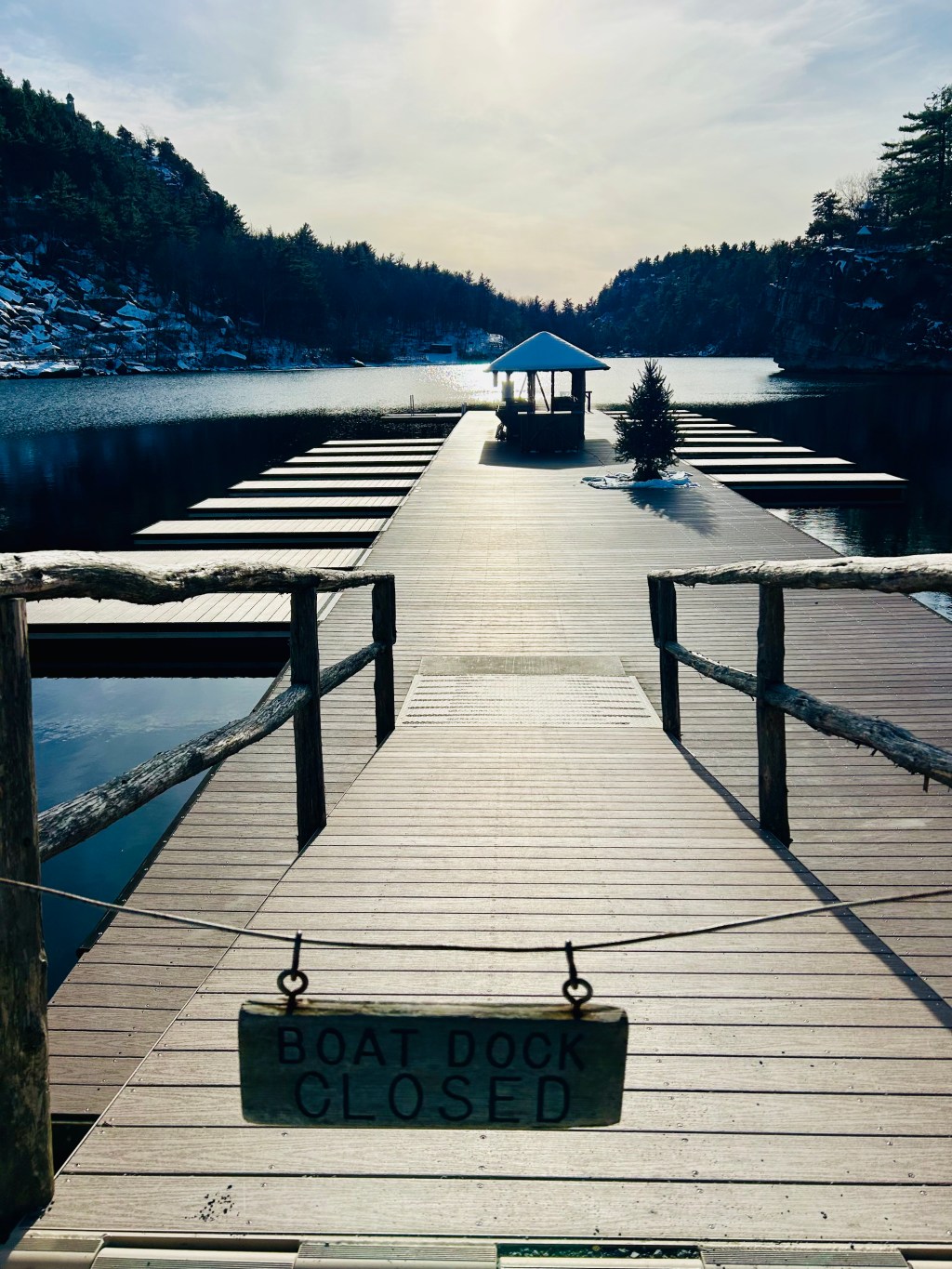
I woke up today feeling frantic. The only part of Christmas I have engaged in was to purchase a wreath from the local church bazar. No presents, no stockings, no poinsettias, no holiday sparkle. As I wrote in my journal—something I usually do first thing in the morning, I realized that I had this odd longing for the month of November. I wanted to hit a pause button and then rewind. I could almost hear the old VHS tape whirling as I hit the button with the two back arrows. What I missed, I realized, was the blank-canvas feel of that month. It has a starkness to it that I love. The trees are bare. The air is cool and sharp. The sun tends to stretch itself tight over whatever landscape it has turned towards. There is a feeling of being suspended—of floating inside of the calendar year. There is no rush towards something, except watching the days unfold in all of their unadorned simplicity.
There’s no pageantry to November, save for the Thanksgiving holiday that serves as this brief, but declarative piece of punctuation at the end. I realized that it’s the solemnity that I find so appealing, the plainness. You can create inside November, move freely without any pressure points.
As I went for a run before work, to help bathe in the quietude of winter and numb the anxiety with a wash of sub-zero wind that whooshed across the foothills, I realized that this longing was not unique to November or any other month for that matter. I feel the same way about being in the middle of a book, the middle of a run, the middle of a season. There is a safety to being in the middle, a quiet intimacy.
I often leave a book unfinished only a few pages from the end. It’s something I don’t admit to often because it baffles and sometimes annoys people, particularly bibliophiles. What if I miss something critical? What if there is a plot twist that was left to the very last page? How do you know how it ends?
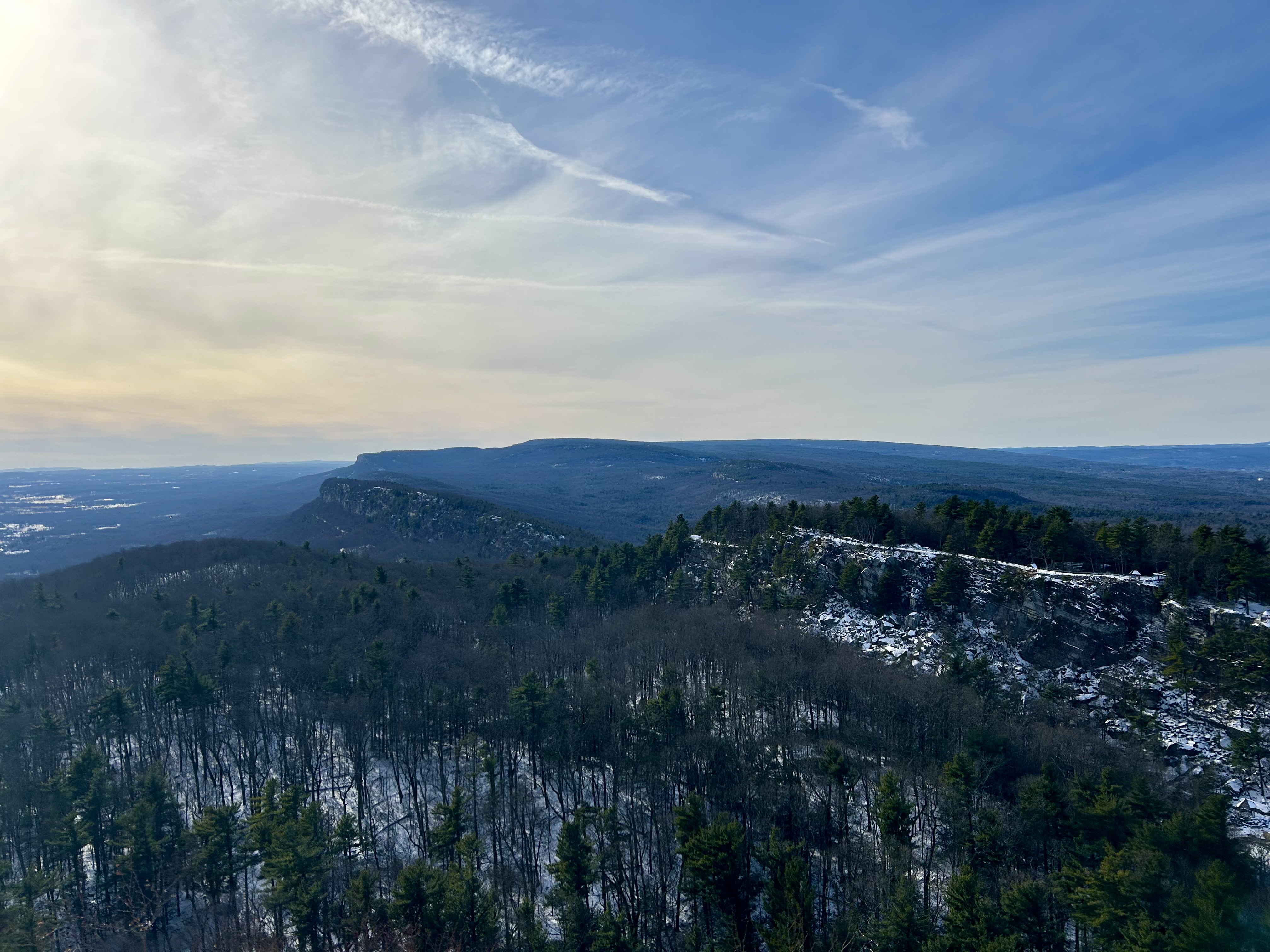
I get embarrassed because I don’t really have a good answer. Maybe I don’t want it to end? Not always because it’s such a great book, but because there’s this let-down at the end. A loneliness, that feeling of being lost and out-of-sorts. You’ve been suddenly, thrust out of a world you’ve been dwelling in for days or weeks or maybe months. There’s that sense of familiarity with the characters, and the places, the time period, the various settings and the voice of the narrator or in some cases, multiple narrators. I feel as if I’ve been invited into someone’s home. Like I’m an exchange student and I’m getting a front row seat to an entirely different life in an entirely different place.
There’s an anxiousness at the beginning of the book because I don’t know where I am or who I’m dealing with and what sort of lives are being led. I move cautiously from page to page until I feel that I have a lay of the land. It may take a chapter or two for me to settle in. The point is, the book, regardless of the storyline, is a place that has become familiar. I have become captivated by the interior of the story, however beautiful or tragic it is. And when you think about it, stories don’t end when we close the book. They can continue to take on a life of their own and time doesn’t stop because we start calling it by a new name.
As I ran, I realized that this is how I feel about the middle miles. As a distance runner, there are a lot of miles in between the start and finish of a race or a run and they are my favorite. The start of a run, for me, always has some resistance. My muscles are tight or my legs are heavy. I could feel sore or hot or cold or overwhelmed by the tasks of the day and the miles that lay before me. I think that the first mile is often one of the hardest because the body and mind have not yet warmed up. To help distract me from this inherent struggle, I sometimes plug in a podcast to engage my brain and override some of the inner-kvetching at the start of the run. Once my body and mind have synchronized and I’ve become warm enough or have found a shaded path to cool me, I move from friction to flow. That doesn’t mean that the run becomes easy, but I feel more in charge of things. I determine how challenging it will be or how hard I will push. But once I’ve gotten over the initial resistance, I can offload all of the noise in my head and focus instead, on my breath and my steps and the texture of the terrain, the grade of the hill, the magnificence of the trees that line the trail. I’m in the middle of my run, designing it how I choose to, suspended, outside of time.
Just like the first mile is hard, so is the last mile or the last miles, depending on the length. Somehow, the body knows that the run is coming to an end and it’s like a restaurant that starts to dim the lights and put the chairs on top of the tables and haul the garbage out to the street even when there’s someone still bellied up to the bar. Everything in the system starts to shut down but the body still has to run. It’s crazy. This can happen at mile 97 of a 100-mile race or it can happen at mile 5 of a 10K run and regardless of the length it feels the exact same way. Everything starts to hurt, the fatigue sets in. I’m hot or cold again, there’s a terrible taste in my mouth and my body is caked in sweat and dirt. Like most people, I can get that last minute surge when I see the finish line, or hear the cowbells or during a training run, spot the trailhead sign or parking lot. But before those final 30 seconds? I’m back to playing mind-games with myself and usually put on a favorite song or playlist to help get me to the end.
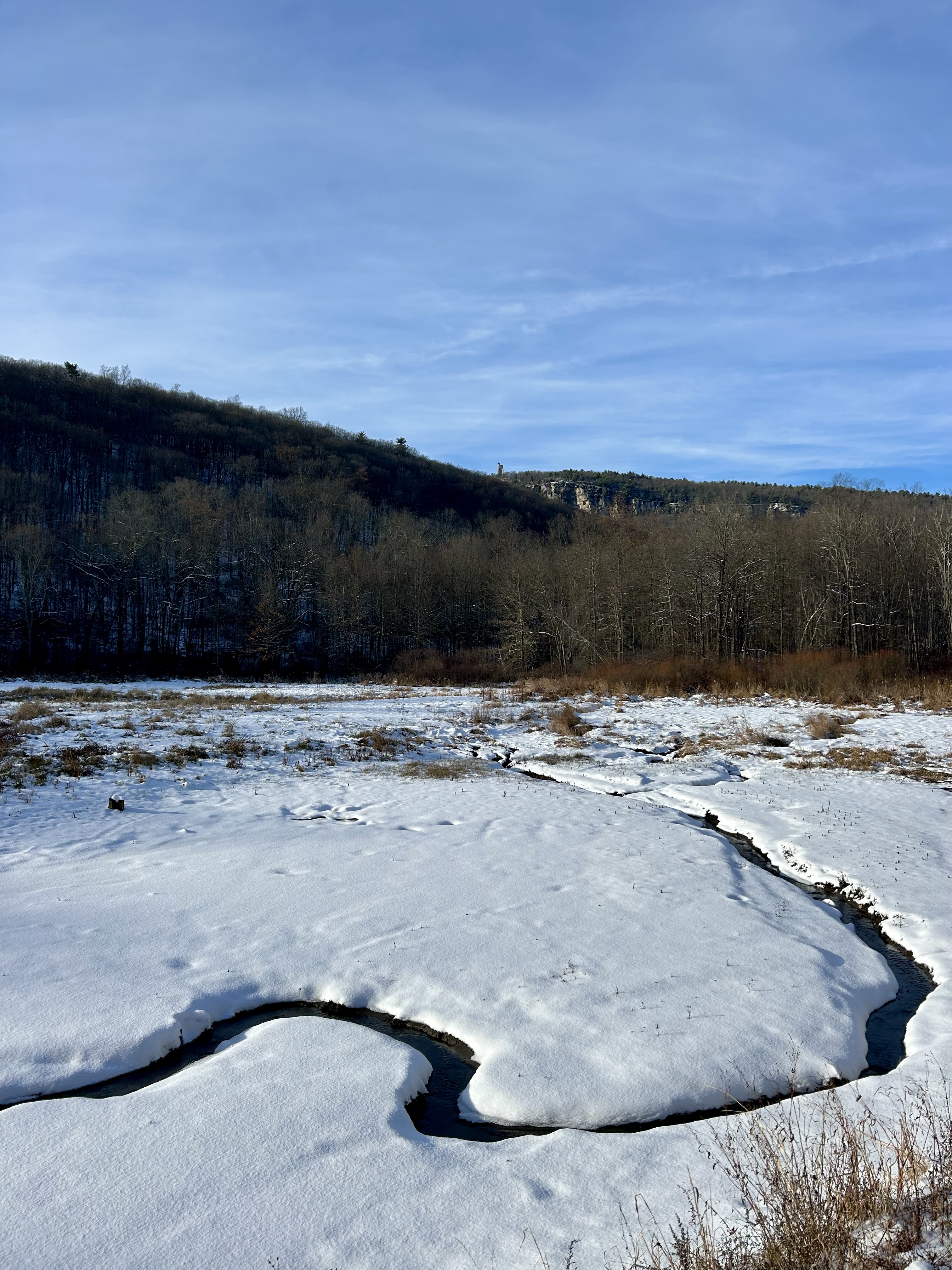
Some people love the start to a race or the celebration of a finish line and while both of those things have their own sense of excitement and flourishment, I’m much more at peace in those middle miles. Maybe it’s that I realize, on some level that there is no finish line or end to the story or other names for time. There are just these demarcations that we insert, like life-grammar to give us pause, a moment to reflect, an exclamation point to an achievement or an indent to lead us into a new chapter. On some level I think it’s a deep knowing that flow follows friction, (what happens after that first mile) and that friction follows flow (what happens after that last mile.) But whatever it is, I know that it’s time to put the stockings up, turn the page, lace up my shoes and get out for a run.
—Erin Quinn
 Erin Quinn
Leave a comment